



HOSPITAL INFORMATION AND MANAGEMENT SYSTEMS
➤ Transition to Digital Technologies in the Health System
➤ Family Medicine Information Systems
➤ Hospital Management Information System
➤ Image Archiving and Communication System
➤ Electronic Document Management System
➤ Integrated Security System
➤ Patient Monitoring and Entertainment Interface
What are the benefits of digitalization in the healthcare system?
• All data is stored in the computer environment and archived without the need to store medical and administrative information on paper.
• The system secretly coordinates critical patient data and reduces delays.
• All forms used in the hospital (examination request, discharge summary, doctor and nurse orders, etc.) are placed in the system and followed. Statistical results can be obtained according to various criteria.
• There is the possibility of reporting. In addition to the patient’s medical history, the system provides accurate and timely clinical information and reduces medical errors.
• All kinds of materials used in the hospital are tracked and monitored at the entrance and exit, and their loss and abuse is prevented.
• It is ensured that the points determined by the administration in the hospital building are monitored and recorded with a camera 24 hours a day.
• Necessary images and sounds in the operating room are recorded digitally.
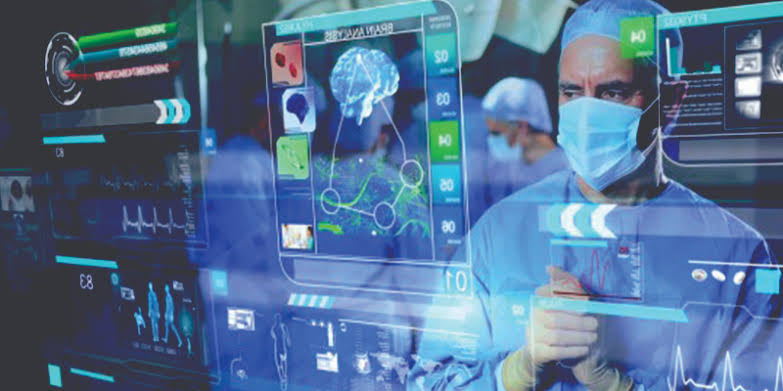
• Shared screens provide a quick summary of medical history, post-test results, nurses’ observations, and medication use.
• The system eliminates the difficulties of classical manual archiving and storage systems, eliminates the loss of time and the risks of climate and environmental conditions. Access to information is available at any time.
• Thanks to the “Quick Action” feature, frequently used transaction sets are completed with one click.
• Task-based worksheets, patient care models, and patient lists provide clinicians with the information they need to plan their day effectively.
• Nurses can view complete patient records and final assessments, vital signs, care procedures/activities, and laboratory/x-ray results.
• Nurses can easily view patient lists. The system alerts nurses to certain patient conditions (eg hospitalization, surgery, discharge, etc.).
• Powerful workflow technology coordinates operations. Thus, nurses can do more in less time without risking patient care.
•The list of jobs increases labor productivity; The system defines the nursing procedures to be applied and when nurses should perform these procedures.
• Nurse supervisors can see used and empty beds at a glance. They can direct the patient to a room, make a room change, book a room, or clean the room.
• The system provides the appropriate environment and infrastructure to plan the most valuable resources. You can then assign the right resource to the right service at the right time.
• The system warns the user about the scheduled operations. Thus, documents can be delivered at the right time and as needed.
• The system obtains accurate and reliable results from the laboratory devices integrated into it and enables users to reach these results within their authorization.
• Images created by built-in imaging devices (CT, MRI, etc.) are accessible to users.