



NUCLEAR MEDICINE
Nuclear medicine is an imaging study that uses low amounts of radioactive material to diagnose various diseases, determine the stage and plan their treatment. The dose of radioactive materials used is low enough to be used even in newborns.
scintigraphy; It is a technique of visualizing a functional state (change in blood supply in the organ, etc.) with an imaging device called “Gamma camera” after the intravenous administration of a trace-level irradiated (radioactive) substance, and there are types such as bone, heart, brain, and dynamic kidney scintigraphy.
In the Nuclear Medicine Departments, the diagnosis and treatment of almost all body system diseases are carried out. Although scintigraphic imaging can be performed for each organ, some diseases such as tumors, especially thyroid diseases, can also be treated. The examinations provide detailed information about the structure and functions of organs.
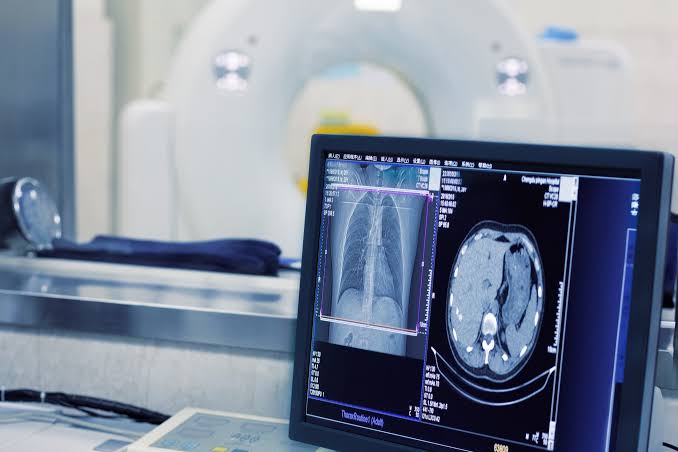
When the patient suffers from heart, liver, kidney, thyroid, brain and lung diseases, nuclear medicine units can diagnose any cancer, infection or trauma in the bones at the earliest stages.
Controlling diseases in the early stages increases the likelihood of success of treatment. Nuclear medicine is an important branch of medicine as it allows us to identify and eliminate tumors. It also deals with the evaluation of response to treatment.