KOC UNIVERSITY HOSPITAL
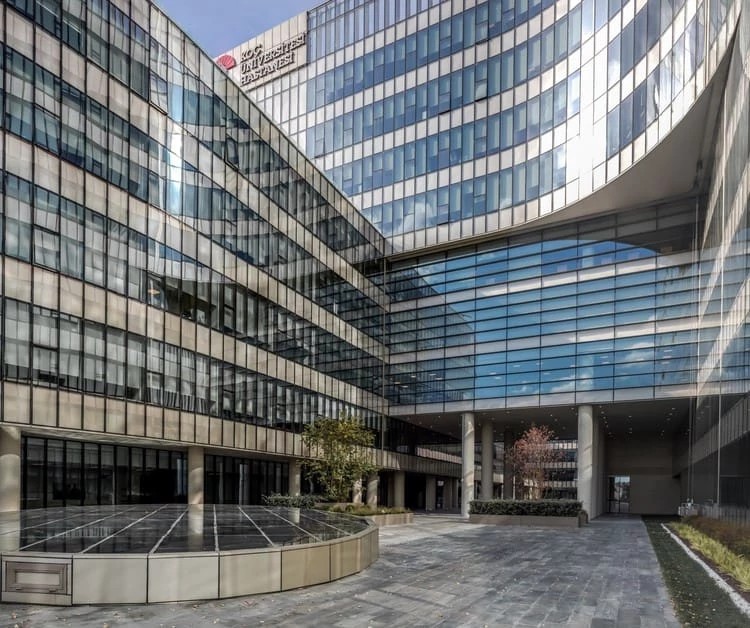
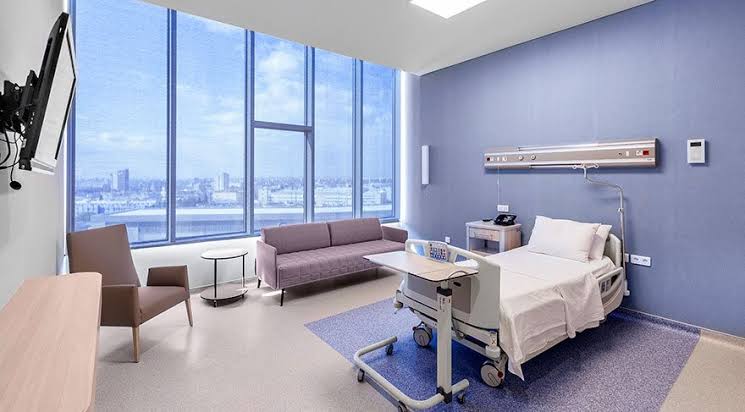
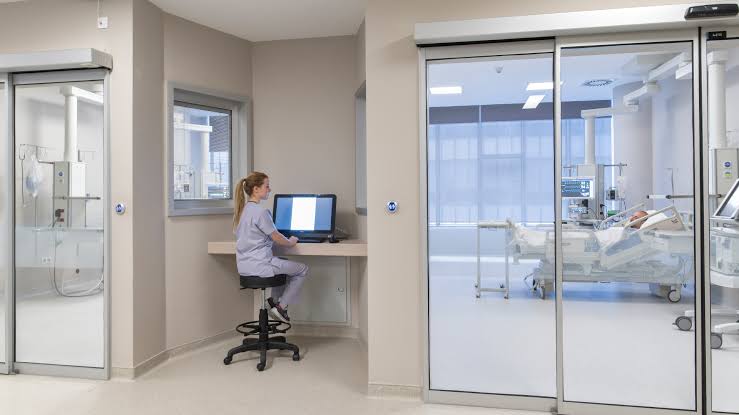
Koç University Hospital was established in Istanbul in 2014 and is part of the Vehbi Koç Foundation’s network of healthcare institutions. On the territory of the center of 250,000 square meters. m employs more than 3,000 people, has 404 hospitalizations and 73 intensive care units, 13 operating rooms, 14 treatment rooms. Every year, 70,000 patients are treated here, of which approximately 1,500 are foreigners. The hospital is multidisciplinary and provides treatment in all major medical areas. Priority is considered – oncology, cardiac surgery, neurosurgery, orthopedics.
The fund independently controls the finances and monitors the equipment and regulation of all departments that meet generally accepted international standards. The latest generation of equipment allows us to provide qualified assistance and diagnostics. The quality of the services provided is in accordance with the international standards of ISO 9001 Quality Management System. Koç Clinic is approved by the JCI Accreditation Commission, which confirms the high quality of the services provided.
Koç Hospital works to improve oncological, hematological, cardiovascular diseases, endocrinology and metabolism, obesity, diabetes, adrenal dysfunction problems and their treatments.
Thanks to the Vehbi Koç Foundation and the interest of the management, the clinic has innovative equipment for the diagnosis and treatment of patients. The technical equipment of the clinic for the treatment of cancer patients includes:
Radiotherapy Varian, Trilogy® System Linear Accelerator – the unit is designed for radiotherapy of cancer patients. With the help of a built-in thermal camera, the location of the tumor is determined with millimeter accuracy and radiological radiation is directed. The unit responds to the slightest movement of the tumor, preventing radiation from reaching healthy tissues.
The approach to diagnosis and treatment is multidisciplinary, taking into account the individual characteristics of each patient. This improves examination results and allows you to create the most appropriate treatment plan. This tactic is used in leading medical institutions around the world.
PET/CT: The GE Discovery 710 is an advanced, cutting-edge device that opens new possibilities and frontiers in diagnostics. Detailed images help accurately determine the extent of the disease, the effectiveness of the treatment, and determine the later strategy that improves the quality of treatment and the chances of recovery.
Brachytherapy with Nucletron Microselectron HDR allows you to effectively and with maximum safety treat patients with oncological diseases, including cancer of the prostate, cervix, nasopharynx.
MRI scanners (including 3 Tesla MRI) – World-class systems that perform complex diagnostic tasks and produce images at the highest resolution. This is advantageous in diagnosing patients and determining their further treatment.
Multislice computed tomographs (including ultra-high-speed computed tomography) provide detailed three-dimensional images for the study of diseases with the highest safety for the patient.
At Koç University Hospital, specialists perform organ transplants according to advanced medical standards. Organ Transplantation Center operates on a clinical basis. The expert team of the center, led by Professor Munji Kalayoğlu, performs successful kidney, liver and pancreas transplants.
The university where the hospital is located carries out active scientific studies. Its results and developments are used by the health professionals of the Koç clinic and throughout Turkey. Scientists, together with colleagues from Europe and the USA, work on the problems of oncology, cardiac surgery, oncohematology, gynecology, neurology, radiology and nuclear medicine.
In addition, there are advanced fluoroscopy and angiography devices, stereotaxic biopsy systems, digital mammography and x-ray devices in the diagnostic rooms.
Koç University Hospital performed 3,000 kidney transplants, 400 of which were children, with a success rate of 99.8%, and 3,000 liver transplants, 300 of which were children, with a success rate of 90%.
At the Bone Marrow Transplant Center, doctors transplant stem cells into a patient with blood cancer. The source of stem cells can be bone marrow, peripheral or umbilical cord blood. Today, in 75% of transplants, the source of stem cells is peripheral blood.